
Essential Property Templates for Renters’ Rights Act Compliance

Using outdated tenancy documents could leave your property business exposed to severe compliance risks.
The Renters' Rights Act has introduced major changes for landlords in 2026. From Assured Periodic Tenancies and Section 8 possession procedures to rent increases, pet requests and property advertising requirements, landlords must ensure their documentation and processes are compliant with the new legal framework.
That's why we've created a range of up-to-date, solicitor-drafted property templates to help residential landlords save time, reduce risk and avoid costly mistakes.
In this post, we’ve highlighted six essential landlord template categories that can help support compliance under the Renters’ Rights Act.
1. Assured Periodic Tenancy Agreements
All new tenancies that have previously been covered by Assured Shorthold Tenancies (ASTs) must now be documented as Assured Periodic Tenancy agreements (APTs) under the Renters' Rights Act.
Simply-Docs has released a collection of solicitor-drafted Assured Periodic Tenancies templates, including:
2. Section 8 Tenancy Termination Templates
Under the Renters' Rights Act, Section 21 'no fault' evictions are abolished. Landlords in England can only use a Section 8 Notice, and they must follow the correct legal procedures before seeking possession.
Simply-Docs offers a range of Section 8 Tenancy Termination Templates, updated for the Renters’ Rights Act. These include:
- Guidance Notes: Section 8 Notices
- Section 8 Notice Completion Guidance for Landlords in England
- Letter Enclosing Landlord’s Section 8 Notice
- Form N215 Certificate of Service of Section 8 Notice
- End of Tenancy Letter to Tenant (England)
3. Section 13 Landlord’s Notice (Form 4A) for Rent Increases
Under the Act, the only lawful method of increasing rent is by serving a Section 13 Notice (Form 4A). Landlords can only increase rent once every 12 months, and they must give tenants at least 2 months’ notice before the new rent takes effect.
Simply-Docs’ Section 13 Landlord’s Notice (Form 4A) Instruction Sheet provides step-by-step guidance to help residential landlords correctly complete and serve a Section 13 Notice (Form 4A) for a rent increase.
4. Pet Consent Templates
Landlords are now legally required to reasonably consider any request from a tenant to keep a pet. Landlords must respond to all pet requests within 28 days, and each request must be considered reasonably on its individual merits.
Simply-Docs’ Pet Consent Property Templates are designed to help landlords navigate the new rules confidently and reduce the risk of disputes, penalties or court action:
- Pet Requests Landlord Duties Guidance Notes
- Pet Request Acknowledgement Letter to Tenant
- Tenant Pet Request and Suitability Form
- Pet Request Consent Letter to Superior Landlord
- Pet Request Consent Letter for Residential Tenancy
- Pet Request Refusal Letter for Residential Tenant
5. Property Advertising Compliance
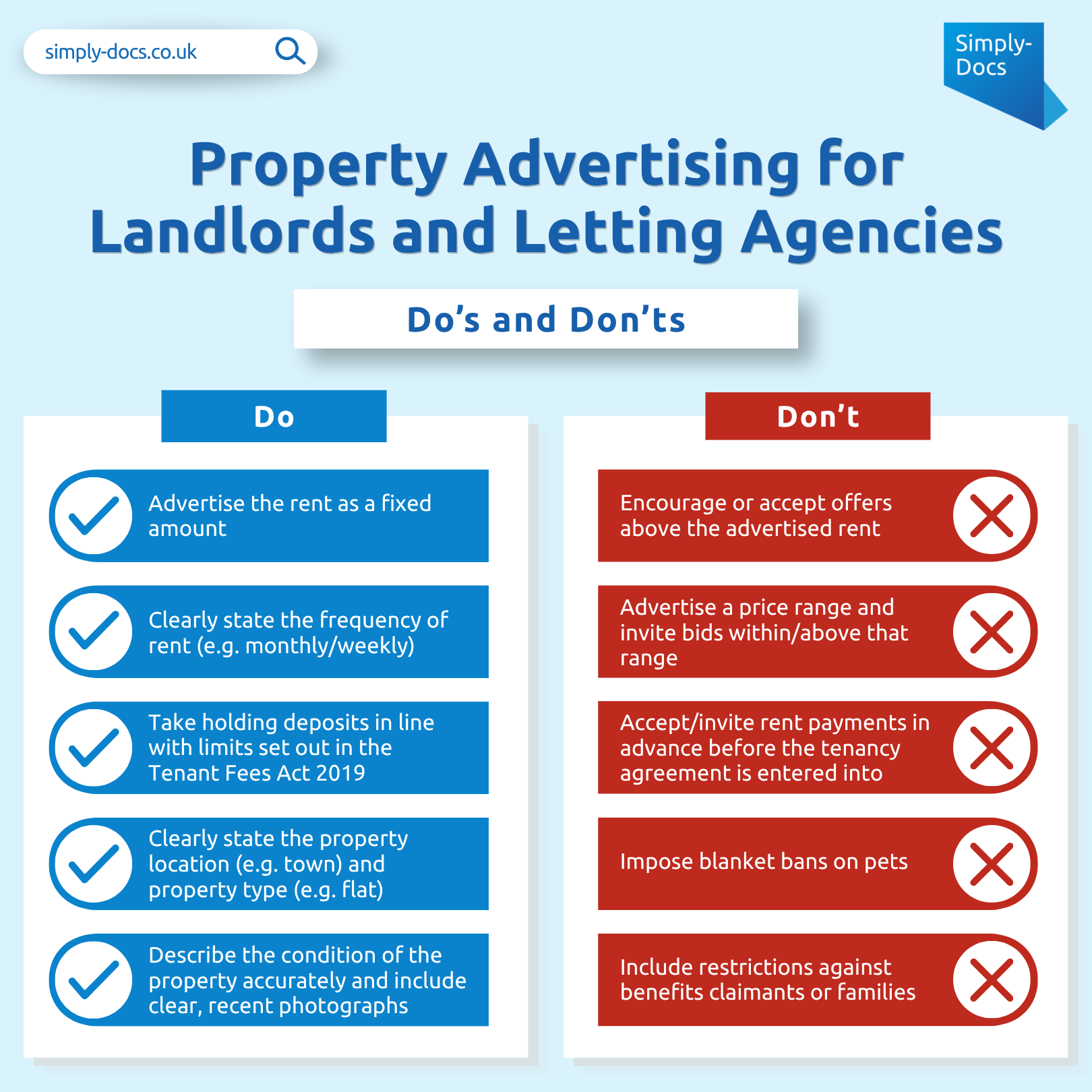
The Renters’ Rights Act also introduced new rules for advertising residential properties, including a ban on rental bidding, anti-discrimination rules and consumer protection requirements for residential listings.
Simply-Docs provides landlords in England with practical tools to ensure property advertisements comply with the Act:
- Guidance Notes: Property Advertising Compliance for Landlords in England
- Residential Landlord Advertising Compliance Checklist
6. Tenancy Deposit Protection
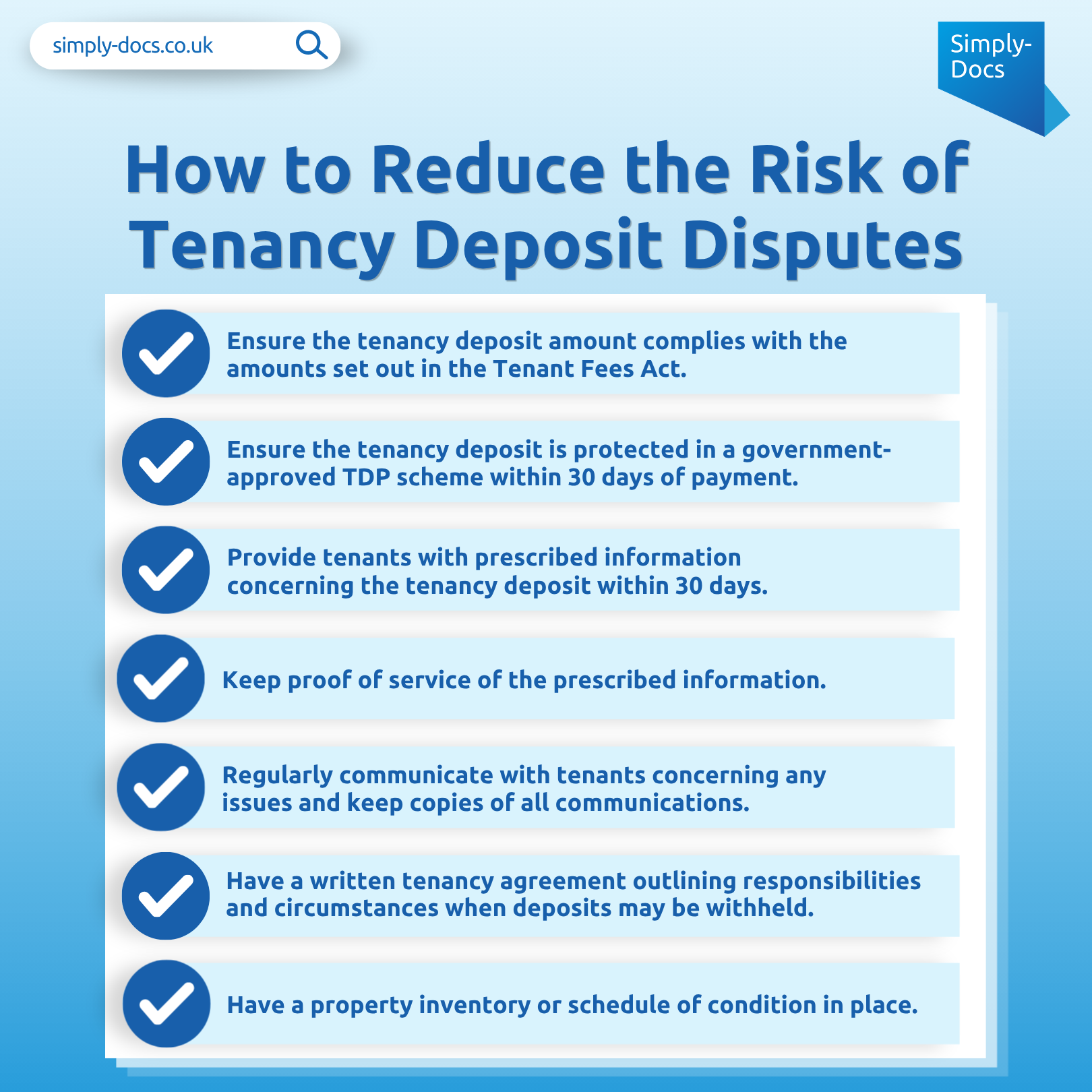
With the introduction of longer, open-ended tenancies, landlords must have a clear understanding of Tenancy Deposit rules to avoid compensation claims of 1-3x the deposit amount and restrictions on the ability to recover possession of the property.
These property templates help landlords confidently manage deposits while staying compliant with tenancy deposit protection laws:
- Guidance Notes: Tenancy Deposit Protection & Compliance for Landlords in England
- Tenancy Deposit Compliance Checklist for Residential Landlords (England)
Don’t Leave Compliance to Chance
These are just a few of the templates available to help landlords comply with the Renters’ Rights Act. Explore Simply-Docs' comprehensive library of solicitor-drafted landlord templates, documents and guidance notes, designed to help you meet your legal obligations.
FAQs
What are the new tenancy rules in 2026?
Assured Shorthold Tenancies (ASTs) and Section 21 "no-fault" evictions have been abolished under the Renters' Rights Act, which came into force on 1 May 2026. All ASTs are now Assured Periodic Tenancies (APTs). To end an APT, you must have a valid reason (grounds for possession) and serve a section 8 notice to begin the possession process.
How much notice does a tenant need to give to end an Assured Periodic Tenancy?
Under the Renters' Rights Act, a tenant can end an Assured Periodic Tenancy by giving the landlord a minimum of 2 months’ written notice. This notice must be timed to end on the last day of a rental period (typically the day before the rent is normally due), unless the landlord agrees to a shorter period in writing.
What is Section 13 of the Renters’ Rights Act?
A Section 13 notice is the only lawful way that landlords in England can increase the rent for an APT. Landlords can only increase rent once every 12 months, and they must give tenants at least 2 months’ notice before the new rent takes effect.
How long do landlords have to respond to a pet request?
Landlords must respond to all pet requests within 28 days. Each request must be considered reasonably on its individual merits. Landlords must keep clear written records of decisions and the reasoning behind them.
Can I download Renters' Rights Act templates from legal document websites?
Yes, Simply-Docs offers a suite of solicitor-drafted templates that are fully compliant with the Renters' Rights Act. These include APT agreements, Section 8 tenancy termination templates, Section 13 notice, pet consent templates, deposit protection documents and more. A subscription to Property gives you unlimited access to 890+ templates for 12 months for only £38.50 + VAT. Get compliant property templates here.