
Loan Agreement Templates
These Loan Agreements are part of the Simply-Docs corporate collection, solicitor-drafted and maintained for UK private companies since 2004.
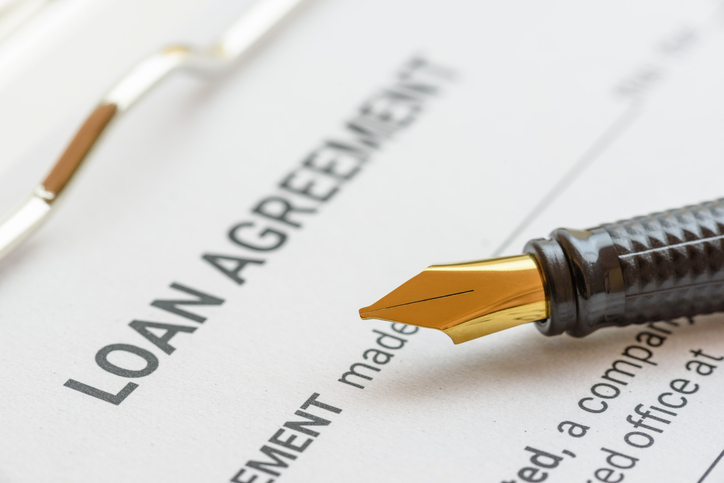 Loan Agreements regulate the making of term loans from one party to another. The Simply-Docs Loan Agreements cover the necessary legal and practical commercial considerations relevant to the lending of small to medium sized amounts for specified periods of time.
This collection includes unsecured loan agreements in both short and long forms, plus supporting templates for agreeing key terms upfront, documenting simpler personal and family loans, dealing with loans involving directors and shareholders, and making changes to an existing loan.
These templates are drafted by experienced solicitors and written in plain English for UK use.
When Should You Use These Loan Agreements?
✅ You want written terms for a straightforward unsecured business loan
✅ You need a fuller agreement for a higher-value or higher-risk loan (more protections and detail)
✅ You are documenting a personal or family loan, with or without interest
✅ A director or shareholder is lending to the company and you need the paperwork set out clearly
✅ You need an on-demand loan within a group, or a simple facility-style arrangement
✅ You have agreed a change to an existing loan and need that variation recorded properly
What Do You Need To Decide First?
Who is lending and who is borrowing? Company, individual, or group company arrangements can need different terms and supporting records.
Term loan or on-demand? A fixed term with a repayment schedule is very different from a loan repayable on demand.
Interest and repayment mechanics? Rate (if any), payment dates, repayment profile, and what counts as a default should be agreed early.
Unsecured or secured? Security changes the risk, the supporting documents required, and the steps needed to make it enforceable.
🔀 Document Toolkit: Typical Sequence
| Step 1 | Agree the commercial deal - amount, term or on-demand position, interest (if any), repayment schedule, and any conditions to drawing down the loan. |
| Step 2 | Choose the right level of detail - Use a shorter form for simpler, lower-risk lending. Use a longer form where you need more protections (for example, warranties, undertakings and clearer default and enforcement mechanics). |
| Step 3 | Sign and store the agreement properly - Make sure the parties sign in the correct capacity and keep a complete signed copy with the relevant records. |
| Step 4 | If security is involved, treat it as its own workstream - Security often requires additional documents and steps (including registration points) to be effective and enforceable. |
| Step 5 | Record changes as they happen - If you later agree different repayment dates, interest terms, or other variations, record the change so the paper trail stays consistent. |
Secured Lending: What Are The Pitfalls?
Simply-Docs includes a limited range of secured loan templates (for example, a debenture and certain director-secured lending scenarios). Security is a specialist area and there are many forms of security in practice (including fixed and floating charges and different approaches to security over shares).
Common issues that affect enforceability include:
- The loan terms must clearly give the lender rights to enforce security, including when and how enforcement can happen.
- The lender will usually need to make a formal demand for repayment before enforcing.
- The documentation needs to deal with how the lender takes control of, or realises, the secured asset (this varies by asset type).
- The security may be invalid unless it is properly registered at Companies House and reflected in the borrower’s internal registers where required.
- If an individual or partnership provides security over chattels, the requirements of the Bills of Sale Act (1878) may apply.
❗ In view of the complexity of taking security, you are advised to take legal advice to ensure that the proposed security is enforceable in the event of default in repayment.
- Loan Agreement Term Sheet
- Short Form Loan Agreement – Unsecured
- Long Form Loan Agreement - Unsecured
- Loan Facility Letter
- Personal Loan Agreement
- Personal Loan Agreement (With Interest)
- Family Loan Agreement Template
- Guidance Notes: Loans Involving Directors
- Director’s Loan Agreement - Unsecured
- Guidance on Land Registry Applications relating to a Director’s Secured Loan
- Director’s Loan Agreement - Secured
- Director’s Loan – Secured over Joint Property
- Directors’ Long Form Loan Agreement – Loan to Company
- Directors’ Loan Agreement Basic Form – Loan to Company
- Shareholders’ Long Form Loan Agreement – Loan to Company
- Intra-Group (On-demand) Loan Agreement
- Loan Amendment Agreement
Loan Agreement Templates is part of Corporate. Just £38.50 + VAT provides unlimited downloads from Corporate for 1 year.